What does it mean to “catch an edge?” I’m pretty sure most Retro-Skiers have blamed a fall on catching an edge sometime in their skiing career whether they really did or not. I’m not sure whether the younger generation still uses that terminology. However the term goes way back and was immortalized in the song “Super Skier”. You can sing along, “He was coming down the slopes doing 90 miles an hour when he caught an edge on his ski!”
I had hoped to hear from a ski instructor with a technical explanation of catching an edge. However no one has stepped forward. So I tried AI and asked ChatGPT what it means. Here’s its answer:
“In skiing, “catching an edge” is when the edge of one ski unexpectedly digs into the snow and abruptly grabs instead of gliding, often causing you to lose balance or fall.”
That’s not bad, but I think “abruptly grabs” is a little harsh. Sometimes when you catch an edge, it seems like you’re stuck on that edge and slowly lose balance or fall.
ChatGPT also gives its version of what causes edge catches and how to prevent them. I won’t say they’re wrong, but they sort of use lists rather than analysis. For example one of their possible causes is fatigue, but why am I more likely to catch an edge if I’m tired?
In my opinion, catching an edge most commonly occurs during edge change. And the most common cause is that your upper body is not in the correct position. So yes, fatigue can influence your body position, but body position is a more helpful diagnosis.
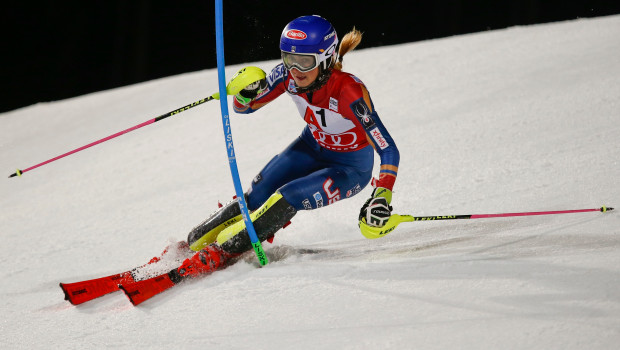
By the way, for more information on upper body position for skiing I’m sure there’s a PhD dissertation on it somewhere. Or you can just watch Mikaela Shiffrin ski!
Falling is part of skiing. In fact the first time we put on skis we may not even make it to a lift before we have our first fall. Most of us start skiing when we’re young so falling isn’t a big deal. For those who try skiing as an adult, it may be the reason they decide skiing isn’t for them.
As we progress in the learning process, the number of falls we take becomes a measure of progress. “ I only fell four times today!” could be a proud statement of success. I remember those days when I was a kid and I’m betting there are many other Retro-Skiers out there who are nodding their heads as they read this.
When you reach that stage where you’re skiing parallel and not falling … much. Then you discover all those variables that skiing can present: powder, chow-der, ice, zero visibility, moguls. There are more falls to overcome. Each of these variables requires subtle adjustments and practice.
In my opinion what makes an expert skier is when all those adjustments become automatic. You don’t have to think about doing them, they become part of your subconscious reactions. How often you fall as an expert has a lot to do with the risk you’re willing to take in terms of terrain and conditions.
Falling is a different matter for Retro-Skiers. Most of us are entering the “I’ve fallen and I can’t get up” age group so a fall is something to take seriously. Sadly it even causes some Retro-Skiers to give up skiing. But for most of us it’s a matter of making judicious choices in terrain and even what days we ski. I know several fellow Retro-Skiers who have taken advantage of age related discounts at less busy ski areas in part to avoid crowded slopes.
Remember, “The longer you ski, the longer you live!”
Leave a Reply